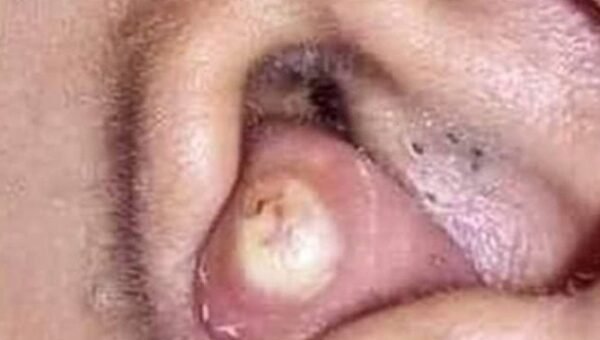
Care for your skin like you care for your health

Taking care of your skin is often seen as something purely cosmetic, but in reality it is closely connected to your overall well-being. Your skin is the body’s largest organ, and it works every day to protect you from the outside world. It regulates temperature, helps prevent infections, and acts as a barrier against environmental stress. When you start to think of skin care as part of your health care, your approach naturally becomes more thoughtful, consistent, and beneficial in the long term.
Caring for your skin like you care for your health means paying attention to what it needs, just as you would listen to your body when you feel tired or unwell. Healthy skin is not about perfection or achieving an unrealistic standard. Instead, it is about balance, protection, and support. Just like a healthy lifestyle requires good habits, good skin comes from steady routines that respect the body’s natural processes.
One of the most important aspects of skin health is cleansing. Every day, your skin is exposed to dust, oil, sweat, and pollution. These elements can build up and affect how your skin feels and functions. Gentle cleansing helps remove these impurities without stripping away the natural oils that protect your skin barrier. When the skin barrier is strong, it is better able to defend against irritation and dryness. Over washing or using harsh products can do more harm than good, so the goal is always to be gentle and consistent rather than aggressive.
Hydration is another key part of caring for your skin. Just as your body needs water to function properly, your skin needs moisture to stay flexible and resilient. Dehydrated skin can feel tight, look dull, and become more sensitive over time. Drinking enough water throughout the day supports your skin from the inside, while using moisturizers helps lock in hydration from the outside. This combination works together to maintain a healthy balance. When your skin is well hydrated, it reflects light better, feels smoother, and is less likely to become irritated.
Protection is also essential in any skin care approach that treats skin as part of health. The environment can be harsh, especially with sun exposure and pollution. Over time, these factors can contribute to premature aging and skin damage. Protecting your skin does not need to be complicated. It is about being mindful of exposure and creating habits that reduce unnecessary stress on the skin. This might include staying in the shade during peak sun hours or using protective clothing. The idea is not to fear the environment, but to respect it and prepare your skin to handle it.
Nutrition plays a major role in skin health as well. What you eat can influence how your skin looks and feels. A balanced diet that includes fruits, vegetables, healthy fats, and sufficient protein supports the skin’s natural repair processes. Nutrients help the skin regenerate and maintain its structure. When your body is nourished, your skin often reflects that internal health. On the other hand, a diet lacking in variety and essential nutrients may leave the skin looking tired or uneven. Thinking of food as fuel for both your body and your skin can help you make more mindful choices.
Sleep is another often overlooked factor in skin care. During sleep, your body goes through important repair and recovery processes. Your skin cells regenerate, and damage from daily exposure begins to heal. When you do not get enough rest, your skin may appear dull, and dark circles or puffiness can become more noticeable. Prioritizing good sleep is not just about feeling rested, but also about giving your skin the time it needs to renew itself. A consistent sleep routine supports both mental and physical health, including the condition of your skin.
Stress also has a noticeable impact on skin health. When you are stressed, your body produces hormones that can affect oil production and inflammation levels. This may lead to temporary changes in your skin, such as breakouts or sensitivity. Managing stress is therefore an important part of caring for your skin like you care for your health. Simple practices like taking breaks, spending time doing things you enjoy, or practicing relaxation techniques can help maintain balance. The goal is not to eliminate stress completely, but to manage it in a healthy way that supports your overall well-being.
Consistency is what ties all these habits together. Skin care is not something that delivers instant or permanent results after a single action. Instead, it is a long-term commitment, much like maintaining physical fitness or general health. Small daily actions build up over time and create noticeable improvements. When you are consistent, your skin becomes more stable and better able to handle changes in environment and lifestyle. This steady approach is far more effective than frequent changes or short-term fixes.
It is also important to understand that everyone’s skin is different. What works well for one person may not work the same way for another. This is why paying attention to your own skin’s responses is so valuable. Learning to observe how your skin reacts to certain habits or environments helps you adjust your routine in a way that truly supports your individual needs. This personal awareness is similar to how you would manage your overall health by noticing how your body responds to different foods, activities, or levels of rest.
There are many myths surrounding skin care that can make it confusing to know what is truly helpful. One common misconception is that more products always lead to better results. In reality, using too many products can sometimes overwhelm the skin and disrupt its natural balance. Another misconception is that skin care is only necessary when problems appear. In truth, prevention and maintenance are often more effective than trying to fix issues after they develop. Treating your skin with care every day helps reduce the likelihood of future concerns.
Ultimately, caring for your skin like you care for your health is about respect. It is about recognizing that your skin is not separate from your body, but an important part of it. When you take a gentle, consistent, and thoughtful approach, your skin is better able to perform its natural functions. This leads not only to visible improvements, but also to a greater sense of comfort and confidence in your daily life.
When you see skin care as part of self-care and health care combined, it becomes less about quick fixes and more about long-term well-being. The habits you build today support your skin for the future, just as healthy choices in general support your body over time. With patience, consistency, and care, your skin can remain strong, balanced, and resilient through every stage of life.