A Friendly Guide to the Basics of Skin Health

Pimples are one of the most common skin concerns that people experience at different stages of life, especially during adolescence but also well into adulthood. Although they are often seen as a minor issue, pimples can affect confidence and comfort, making it helpful to understand what they are, why they form, and how the skin behaves when they appear. Building knowledge about pimples can make it easier to care for the skin in a consistent and thoughtful way.
At its core, a pimple is a small inflammation of the skin that occurs when a pore becomes clogged. The skin is covered with tiny openings called pores, which connect to oil-producing glands beneath the surface. These glands produce a natural oil called sebum that helps keep the skin moisturized and protected. Under normal conditions, sebum travels through the pores and reaches the surface of the skin without difficulty. However, when the pores become blocked by excess oil, dead skin cells, or bacteria, a pimple can form.
One of the key factors behind pimples is the balance of oil production in the skin. During certain periods of life, especially puberty, hormone levels increase and stimulate the sebaceous glands to produce more oil. This is why pimples are more common among teenagers. Hormonal changes are not limited to adolescence, though. Adults can also experience fluctuations due to stress, menstrual cycles, pregnancy, or other internal factors, all of which may contribute to changes in skin behavior.
Another important element in the development of pimples is the accumulation of dead skin cells. The skin naturally sheds old cells to make way for new ones, but sometimes these dead cells do not shed properly and instead mix with oil inside the pores. This mixture can create a blockage that traps bacteria and leads to inflammation. When bacteria multiply in the blocked pore, the body’s immune response triggers redness, swelling, and sometimes discomfort, resulting in what is commonly recognized as a pimple.
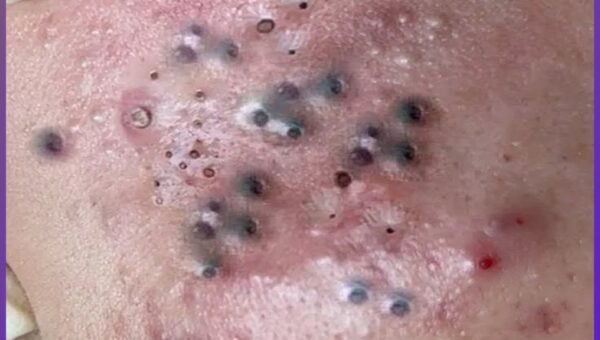
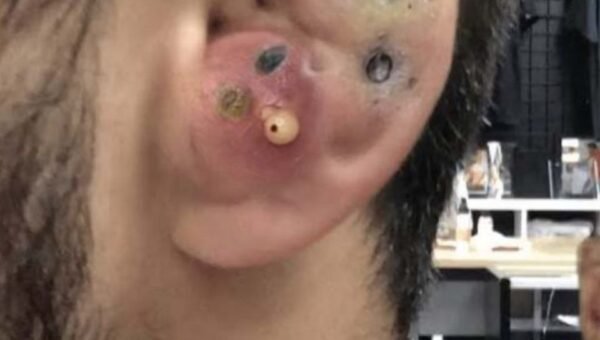
There are different types of pimples, and each one reflects a slightly different stage or condition of the pore. Some pimples appear as small, flesh-colored bumps known as whiteheads, where the pore is completely closed. Others, called blackheads, occur when the pore remains open but becomes clogged; the dark appearance is due to oxidation rather than dirt. More inflamed forms include papules, which are red and tender, and pustules, which contain visible pus at the surface. In more severe cases, deeper and larger lumps known as nodules or cysts can develop beneath the skin.
Understanding these variations helps in recognizing that pimples are not all the same, and each type may require different approaches when it comes to care. It also highlights that pimples are not simply a surface issue but involve deeper processes within the skin’s structure.
While pimples are often associated with oily skin, they can occur on any skin type. People with dry or combination skin may still experience clogged pores due to factors like skincare products, environmental conditions, or lifestyle habits. For instance, using products that are too harsh can irritate the skin and disrupt its natural balance, leading to increased oil production as the skin tries to compensate. Similarly, exposure to pollution or sweat without proper cleansing can contribute to pore blockage.
Lifestyle factors also play a role in skin health. Diet, sleep, hydration, and stress levels can all influence how the skin behaves. While the relationship between diet and pimples is still being studied, some individuals notice that certain foods may affect their skin. Adequate rest and hydration support the body’s natural repair processes, while high stress levels can trigger hormonal responses that may worsen skin conditions.
It is also important to understand that pimples are not caused by poor hygiene alone. In fact, over-washing the face or using overly aggressive cleansing methods can sometimes make the condition worse. The skin has a natural barrier that protects it, and disrupting this barrier can lead to irritation. Gentle and consistent care is generally more effective than harsh or excessive treatments.
Another common misconception is that touching or squeezing pimples will help them heal faster. In reality, this can increase the risk of inflammation, scarring, and infection. The skin is sensitive, and applying pressure to a pimple can push bacteria deeper into the pore. Allowing pimples to heal naturally or using appropriate skincare approaches is usually a safer and more effective strategy.
Environmental factors can also influence the appearance of pimples. Humidity, for example, can increase sweat and oil production, while dry environments may lead to dehydration of the skin, prompting it to produce more oil in response. Seasonal changes can therefore have an impact on how the skin behaves throughout the year.
Skincare routines that focus on maintaining balance rather than aggressively targeting oil can help support healthier-looking skin over time. This often includes gentle cleansing, appropriate moisturizing, and the use of products suited to individual skin types. Consistency is key, as the skin typically responds gradually to any changes in routine.
In addition to external care, understanding the internal signals of the body can also be useful. Pimples can sometimes reflect underlying hormonal patterns or stress levels, making them not just a surface concern but a signal of broader changes within the body. Paying attention to these patterns can provide insight into how different aspects of lifestyle and health interact with the skin.
It is also worth noting that pimples are a natural and common experience, and nearly everyone encounters them at some point. While they can be frustrating, they are part of how the skin functions and responds to internal and external factors. Viewing pimples as a normal skin occurrence rather than something unusual can help reduce unnecessary concern.
Overall, gaining knowledge about pimples involves understanding the structure of the skin, the role of oil and dead skin cells, the influence of bacteria, and the impact of hormones and lifestyle. With this understanding, it becomes easier to approach skin care in a calm and informed way. Rather than focusing solely on quick fixes, a balanced perspective encourages consistent habits and realistic expectations.
By learning how pimples form and what contributes to them, individuals can make more informed choices about how to care for their skin. This awareness supports not only better skin health but also a more confident and patient approach to managing common skin concerns over time.