How to protect and treatment blackhead ance

Blackheads are a common skin concern that many people experience at different stages of life. They often appear on the nose, forehead, chin, and other areas where oil production is higher. While they are not harmful, they can affect how the skin looks and feels, which is why many people seek safe and effective ways to remove them. Understanding what blackheads are, why they form, and how to address them properly can make a noticeable difference in achieving clearer skin.
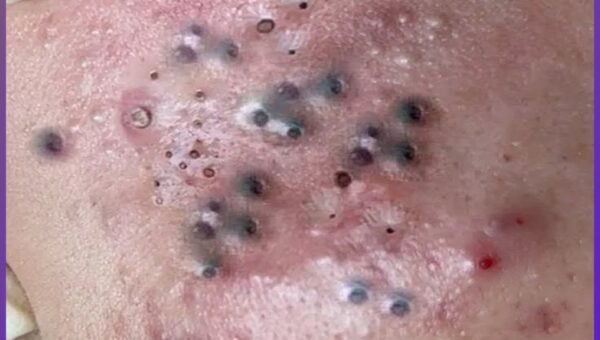
Blackheads develop when pores become clogged with a mixture of excess oil, dead skin cells, and sometimes environmental impurities. Unlike whiteheads, which remain closed under the skin, blackheads are open at the surface. The dark color is not dirt but the result of oxidation, a natural reaction that occurs when the clogged material is exposed to air. Because of this, even people with good hygiene can still develop blackheads.
One of the most important aspects of managing blackheads is maintaining a consistent and gentle skincare routine. Cleansing the skin twice daily helps remove excess oil and debris that can contribute to clogged pores. It is important to choose a cleanser that suits your skin type. For oily or combination skin, a gel-based or foaming cleanser can help control oil without stripping the skin too much. For dry or sensitive skin, a milder, hydrating cleanser may be more appropriate to avoid irritation.
Exfoliation also plays a key role in blackhead removal. Regular exfoliation helps remove dead skin cells that can accumulate on the surface and block pores. Chemical exfoliants such as salicylic acid are often recommended because they can penetrate inside the pores and help dissolve the buildup of oil and debris. Unlike physical scrubs, which can sometimes be too harsh, chemical exfoliants provide a more even and controlled method of improving skin texture. However, exfoliation should be done in moderation, as overuse can lead to irritation and increased oil production.
Steam is another method that can help soften the contents of clogged pores, making blackhead removal easier. Warm steam can gently open up the pores and loosen debris. This can be done by exposing the face to steam from a bowl of hot water or during a warm shower. While steaming alone will not remove blackheads completely, it can prepare the skin for other treatments or cleansing steps.
Manual extraction is a method some people consider for removing blackheads. This involves gently pressing around the clogged pore to release the buildup. However, this process should be done with care to avoid damaging the skin or causing infection. It is generally safer when performed by a trained skincare professional using sterilized tools. Attempting improper extraction at home can lead to scarring, redness, or worsening of the condition. For those who choose to do it themselves, proper hygiene and gentle technique are essential, and it should not be done frequently.
Topical treatments can also support blackhead removal and prevention. Products containing ingredients like retinoids, salicylic acid, or benzoyl peroxide can help regulate oil production, promote cell turnover, and keep pores clear. Retinoids, in particular, are known for their ability to prevent the formation of clogged pores over time. These treatments often require consistent use over several weeks to show visible improvements, and they may initially cause mild dryness or irritation as the skin adjusts.
Moisturizing is another important step that is sometimes overlooked. Even oily skin needs hydration. When the skin is dehydrated, it may produce more oil to compensate, which can contribute to clogged pores. Using a lightweight, non-comedogenic moisturizer helps maintain the skin’s balance without blocking pores. Non-comedogenic products are specifically designed to avoid pore blockage, making them suitable for acne-prone or blackhead-prone skin.
Sunscreen is also essential in any skincare routine. Sun exposure can affect the skin’s overall health and may worsen existing skin concerns. Some treatments for blackheads, especially those involving exfoliating ingredients, can make the skin more sensitive to sunlight. Applying a broad-spectrum sunscreen daily helps protect the skin and supports long-term skin clarity.
Lifestyle factors can also influence the appearance of blackheads. Diet, stress levels, and sleep patterns all play a role in skin health. While no single food directly causes blackheads, a balanced diet rich in fruits, vegetables, and whole foods supports overall skin function. Staying hydrated by drinking enough water can also help maintain skin elasticity and support natural processes that keep pores clear. Managing stress through relaxation techniques or regular physical activity may help regulate hormones that can influence oil production.
Consistency is key when it comes to managing blackheads. Quick fixes may provide temporary results, but maintaining a regular skincare routine is what leads to lasting improvement. It is also important to avoid overly aggressive treatments or frequent picking at the skin, as these habits can irritate the pores and make the condition worse.
In some cases, blackheads may persist despite a good skincare routine. When this happens, seeking advice from a dermatologist or skincare professional can be helpful. They can assess the skin condition and recommend targeted treatments that are suitable for individual needs. Professional treatments such as chemical peels or specialized extractions may provide more noticeable results under expert supervision.
Ultimately, removing blackheads is not about a single product or method but rather a combination of good habits, appropriate skincare choices, and patience. By understanding how blackheads form and taking a balanced approach to skincare, it is possible to reduce their appearance and maintain clearer, healthier-looking skin over time.