Acne treatment Healthy

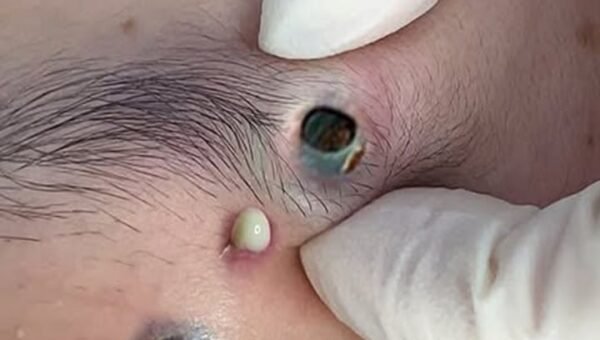
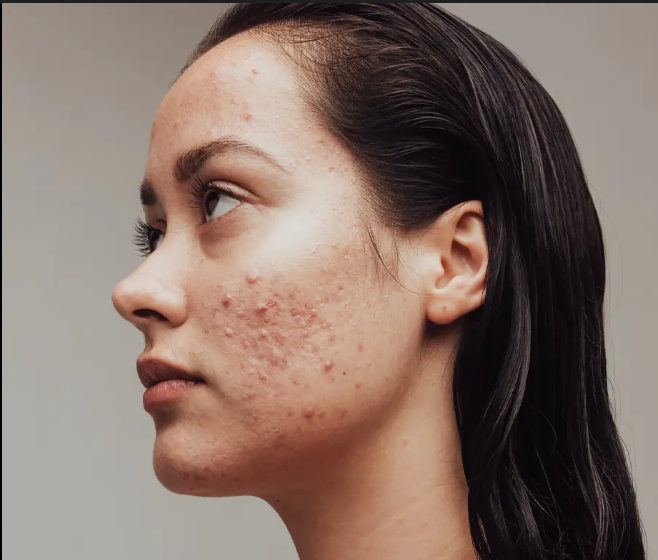
Acne is one of the most common skin concerns people experience at different stages of life, not just during the teenage years. It can appear as pimples, blackheads, whiteheads, or deeper bumps under the skin, and it often shows up on the face, chest, shoulders, or back. While acne is not usually dangerous, it can affect confidence and comfort, which is why many people look for effective and safe ways to manage it. Understanding acne treatment begins with recognizing that there is no single solution that works for everyone. Instead, a combination of consistent habits, suitable skincare products, and, in some cases, professional guidance can help improve the skin over time.
Acne develops when pores become clogged with oil, dead skin cells, and sometimes bacteria. The skin naturally produces oil, known as sebum, to stay hydrated and protected. However, when the body produces excess oil, it can mix with dead skin cells and block pores. This creates an environment where bacteria can grow, leading to inflammation and breakouts. Hormonal changes, stress, diet, and certain skincare or cosmetic products can also influence how acne forms and how severe it becomes.
A basic but important part of acne treatment is maintaining a gentle and consistent skincare routine. Cleansing the skin twice a day helps remove excess oil, dirt, and impurities that accumulate throughout the day and night. It is generally recommended to use a mild cleanser that does not strip the skin of its natural moisture. Harsh cleansers can sometimes cause the skin to produce even more oil as a response, which may worsen acne.
Moisturizing is another step that is often overlooked but plays an important role in acne care. Many people with acne believe that skipping moisturizer will reduce oiliness, but this can actually lead to dehydration of the skin. When the skin becomes dry, it may produce more oil to compensate. Choosing a lightweight, non-comedogenic moisturizer helps keep the skin balanced without clogging pores.
Over-the-counter products can also support acne treatment. Ingredients such as benzoyl peroxide and salicylic acid are commonly used in acne-fighting formulations. Benzoyl peroxide works by reducing bacteria on the skin and helping to clear clogged pores. Salicylic acid helps exfoliate the inside of the pores, preventing buildup that leads to breakouts. These ingredients can be found in cleansers, creams, gels, and spot treatments. It is often best to introduce one product at a time and observe how the skin responds before adding more.
Consistency is key when using acne treatments. Results do not usually appear overnight, and it may take several weeks to notice improvement. During this time, it is important not to overuse products or switch routines too frequently, as this can irritate the skin and slow progress. A steady approach allows the skin to adjust and respond more effectively to treatment.
Lifestyle factors can also influence acne. For example, stress can trigger hormonal changes that may lead to increased oil production and breakouts. Finding ways to manage stress, such as through physical activity, adequate sleep, or relaxation techniques, can support overall skin health. Sleep is especially important because it allows the body to repair itself, including the skin.
Diet is another area that some people explore when addressing acne. While the relationship between diet and acne can vary from person to person, some studies suggest that foods high in refined sugars and certain dairy products may contribute to breakouts in some individuals. Maintaining a balanced diet that includes fruits, vegetables, whole grains, and adequate hydration can support general health, which may reflect positively on the skin.
In more persistent or severe cases of acne, professional treatment may be necessary. A dermatologist can assess the skin and recommend prescription treatments tailored to an individual’s needs. These may include topical retinoids, antibiotics, or other medications that target inflammation, bacteria, and clogged pores. Retinoids, for example, help promote skin cell turnover, preventing pores from becoming blocked. A healthcare professional can also guide proper usage to minimize side effects and maximize effectiveness.
It is important to avoid habits that can worsen acne. Picking or squeezing pimples can lead to irritation, increased inflammation, and even scarring. Although it may be tempting, touching the face frequently with unwashed hands can transfer dirt and bacteria to the skin. Keeping hands away from the face and maintaining clean personal items such as pillowcases and phone screens can help reduce the spread of bacteria.
Makeup and skincare products should also be chosen carefully. Products labeled as non-comedogenic or oil-free are generally less likely to clog pores. Removing makeup thoroughly before sleeping is essential to prevent residue from blocking pores overnight. Proper cleansing ensures that the skin can breathe and renew itself while resting.
Sun protection is another important aspect of skincare, even when dealing with acne. Some acne treatments can make the skin more sensitive to sunlight, increasing the risk of irritation or damage. Using a suitable sunscreen helps protect the skin from harmful ultraviolet rays while supporting the healing process. Lightweight sunscreens formulated for acne-prone skin are widely available and can be incorporated into a daily routine.
Patience plays a significant role in acne treatment. Because skin responds gradually to changes, it is unrealistic to expect immediate transformation. Progress often happens step by step, with improvements in texture, reduction in breakouts, and fewer flare-ups over time. Keeping expectations realistic can help maintain motivation and consistency throughout the treatment process.
Ultimately, effective acne treatment is about finding a balanced routine that suits an individual’s skin type and lifestyle. Combining gentle cleansing, appropriate treatment products, healthy habits, and professional guidance when needed can lead to clearer and healthier-looking skin. While acne may take time to manage, understanding its causes and applying consistent care can make a meaningful difference.