Healthy Pimple Treatment: Gentle, Effective Ways to Care for Your Skin

Pimples are a common skin concern that many people experience at different stages of life. While they are often associated with adolescence, adults can also face breakouts due to stress, hormonal changes, diet, or skincare habits. The good news is that healthy pimple treatment is not about harsh methods or quick fixes. Instead, it focuses on supporting the skin’s natural balance while reducing inflammation and preventing future breakouts.
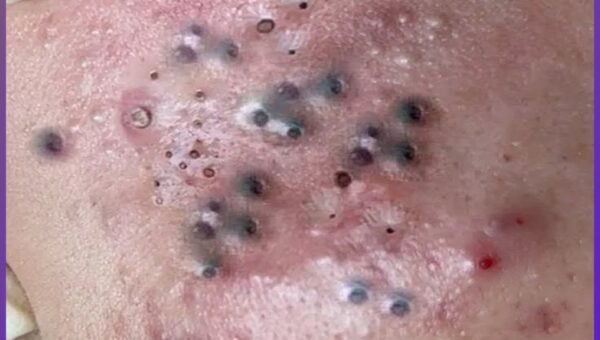
Understanding what causes pimples is the first step toward treating them effectively. Pimples form when pores become clogged with excess oil, dead skin cells, and sometimes bacteria. When the pore becomes blocked, it can lead to inflammation, resulting in different types of acne such as whiteheads, blackheads, or inflamed pimples. A healthy treatment approach aims to keep pores clear while maintaining the skin’s protective barrier.
A consistent and gentle skincare routine is one of the most important parts of managing pimples. Cleansing the skin twice a day helps remove excess oil, dirt, and impurities that can contribute to clogged pores. It is best to use a mild cleanser that does not strip the skin of its natural moisture. Over-cleansing or using harsh soaps can irritate the skin and may actually trigger more oil production, which can worsen breakouts.
Moisturizing is another essential step, even for those with oily or acne-prone skin. When the skin becomes too dry, it may produce more oil to compensate, which can lead to further congestion. Using a lightweight, non-comedogenic moisturizer helps keep the skin hydrated without blocking pores. A balanced level of moisture supports healing and improves the overall condition of the skin.
Healthy pimple treatment also involves being mindful of ingredients in skincare products. Some ingredients, such as salicylic acid and benzoyl peroxide, are commonly used to help treat acne. Salicylic acid works by exfoliating inside the pores and helping to remove debris, while benzoyl peroxide helps reduce bacteria on the skin’s surface. These ingredients can be effective when used appropriately, but it is important to introduce them gradually to avoid irritation.
In addition to topical care, lifestyle habits play a significant role in skin health. Diet, sleep, and stress levels can all influence how the skin behaves. While no single food directly causes pimples for everyone, a balanced diet rich in fruits, vegetables, whole grains, and adequate hydration supports overall skin function. Some individuals may notice that certain foods, particularly those high in sugar or heavily processed ingredients, can contribute to breakouts, so paying attention to personal patterns can be helpful.
Stress management is another important factor. High stress levels can affect hormone balance, which in turn may increase oil production in the skin. Finding healthy ways to manage stress, such as regular physical activity, adequate rest, or relaxation techniques, can indirectly support clearer skin. Sleep is especially important because it allows the body, including the skin, to repair and regenerate.
Touching or picking at pimples is a habit that can make acne worse. Although it may be tempting to squeeze a pimple, doing so can introduce bacteria, increase inflammation, and potentially lead to scarring. Allowing pimples to heal naturally or using targeted treatments is a safer and more effective approach. Keeping hands away from the face and maintaining clean pillowcases and towels can also reduce the transfer of dirt and oil.
Sun protection is another aspect of healthy skin care that is sometimes overlooked in pimple treatment. Some acne treatments can make the skin more sensitive to sunlight, and unprotected exposure may lead to irritation or discoloration. Using a non-comedogenic sunscreen helps protect the skin while preventing further damage. Choosing a sunscreen suitable for acne-prone skin ensures that pores remain clear while still providing protection.
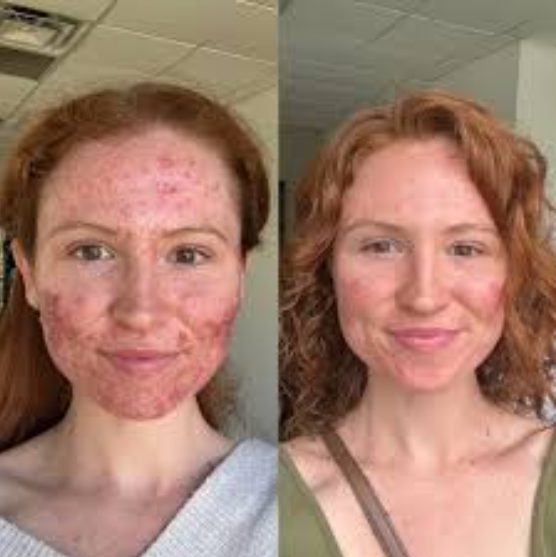
Consistency is key when it comes to treating pimples in a healthy way. Results do not usually appear overnight, and it may take several weeks to notice improvements. Sticking to a gentle routine and avoiding frequent changes in products allows the skin to adjust and respond positively. Patience is an important part of the process, as rushing or over-treating the skin can lead to setbacks.
For persistent or severe acne, seeking guidance from a dermatologist can be beneficial. Professional advice can help identify underlying causes and provide treatments tailored to individual skin needs. In some cases, prescription medications or specialized therapies may be recommended to manage more stubborn breakouts effectively.
Healthy pimple treatment is ultimately about balance. It combines proper skincare, mindful lifestyle choices, and patience to support the skin’s natural healing process. Rather than focusing on aggressive solutions, a gentle and consistent approach helps maintain long-term skin health. By understanding how pimples form and how the skin responds to care, it becomes easier to build habits that promote clearer, calmer, and more resilient skin over time.